
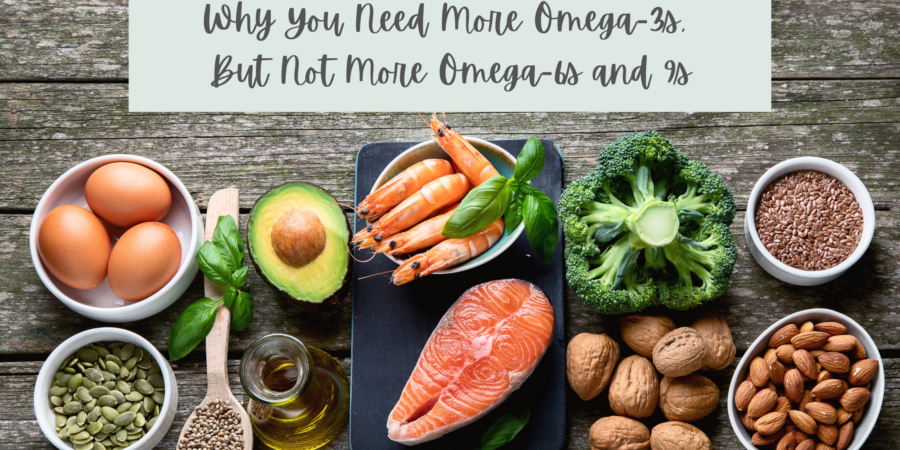
Fats are essential — but not all fats impact your body in the same way. Omega-3 fatty acids deserve special attention because of their anti-inflammatory benefits, heart support, and role in brain health. In contrast, many people already get plenty of omega-6 and omega-9 fats — often too much, without enough omega-3 to keep inflammation balanced.
- The powerhouse benefits of omega-3s
Omega-3s — like EPA and DHA found in fatty fish — support heart health by helping lower triglycerides and promoting healthy blood vessels. They’re also critical for brain function and mood regulation. Because the body can’t make omega-3s efficiently, we need to get them from foods like salmon, sardines, and walnuts. - Omega-6 fats: necessary but often excessive
Omega-6 fats, found in vegetable oils like corn and soybean oil, are essential for growth and development. However, typical Western diets contain far more omega-6s than omega-3s, which can promote an inflammatory imbalance if not countered with enough omega-3 intake. The goal isn’t to eliminate omega-6s, but to balance them. - Omega-9 fats and your diet
Omega-9s are non-essential fats — your body can make them — and they’re found in olive oil and avocados. These fats are healthy and can support heart health, but adding more omega-9 doesn’t address low omega-3 status. Focus first on upping omega-3s rather than increasing omega-9s just for the sake of it. - Easy ways to boost your omega-3 intake
Include fatty fish (like salmon or mackerel) at least twice per week, add chia or flax seeds to breakfasts, and choose walnuts for snacks or salads. If you don’t eat fish, algae-based supplements provide a plant-based source of DHA and EPA. These choices help narrow the gap between omega-3 and omega-6 intake — supporting overall inflammation balance.
In summary, prioritizing omega-3s within a balanced fat intake supports heart, brain, and inflammatory health. Rather than loading up on more omega-6s or omega-9s, make omega-3s your focus for lasting vitality.
